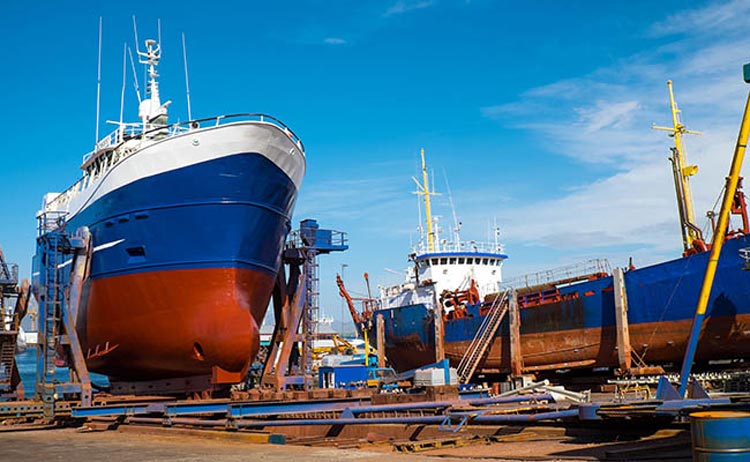
The shipbuilding industry is one of the key sectors, playing a crucial role in global economic development. The shipbuilding process, from inception to completion, involves a complex series of stages that require high technical expertise. In this article, we will explore in detail the steps involved in the shipbuilding process, from design and fabrication to inspection and delivery of the vessel

Ship Design Phase
Requirements Analysis
The shipbuilding process begins with analyzing the customer’s requirements. Engineers and designers collaborate with the client to understand the intended use, payload, speed, and other technical specifications of the vessel. This information serves as the foundation for developing a detailed design.
Concept Design
Once sufficient information is gathered, the concept design phase will commence. During this stage, designers will create drawings and 3D models to visualize the basic structure of the vessel. Key elements such as size, shape, and compartment layout will be determined.
Detailed Design
When the conceptual design has been approved, engineers will proceed to detailed design. This phase involves creating detailed technical drawings, specifying particular technical parameters, and planning the fabrication of each component of the vessel. Aspects such as the engine system, electrical system, and safety system will be meticulously designed during this stage.

Shipbuilding Stage
Production and Machining
The construction phase begins with the production and machining of the ship’s components. Materials such as steel, aluminum, and composites are cut, welded, and machined into parts according to the design drawings. This process requires high precision and is typically carried out in specialized shipbuilding factories.
Assembling the Ship’s Frame
After the components are manufactured, they are transferred to the assembly shop to begin assembling the ship’s frame. This process involves connecting the parts together, welding the joints, and checking the accuracy of the frame. Once assembled, the frame undergoes thorough inspections to ensure there are no technical defects.
Installation of Systems
When the ship’s framework is completed, internal systems such as the engine, electrical system, propulsion system, and safety systems will be installed. This process requires high technical skills and must strictly adhere to safety standards. After installation, the systems will be tested and run to ensure stable operation.

Inspection and Delivery Phase
Quality Inspection
Before delivery, the vessel will undergo a series of rigorous quality inspections. Engineers will check each component and system, performing operational tests to ensure the vessel meets all technical and safety requirements. Any identified defects will be corrected immediately.
Sea Trials
The ship will be taken to sea for actual sea trials. This process helps assess the ship’s performance under real conditions, including testing speed, maneuverability, and the efficiency of onboard systems. Any issues that arise during the trials will be addressed before delivery.
Delivery of the Ship
After completing all tests and trials, the ship will be delivered to the customer. The delivery process includes a final inspection, signing relevant documents, and providing guidance on operating and maintaining the ship. The customer will receive the ship along with technical documents and detailed instructions.

The shipbuilding process, from initial steps to completion, is a complex series of stages that requires a close integration of engineering, technology, and management. From the design phase to manufacturing, testing, and delivery, each step plays a crucial role in creating a finished vessel that meets customer requirements. Adhering to technical and safety standards at each stage ensures the quality and durability of the ship, contributing to the sustainable development of the shipbuilding industry.
