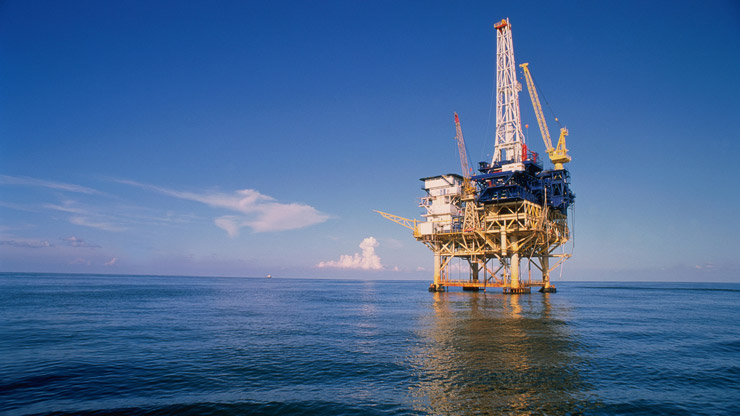
Offshore drilling plays a crucial role in the oil and gas industry, providing essential energy sources for many countries worldwide. However, operating offshore rigs faces numerous challenges due to harsh working environments and high technical demands. In this article, we will delve into the main challenges of offshore rig operations and explore effective solutions to address them.
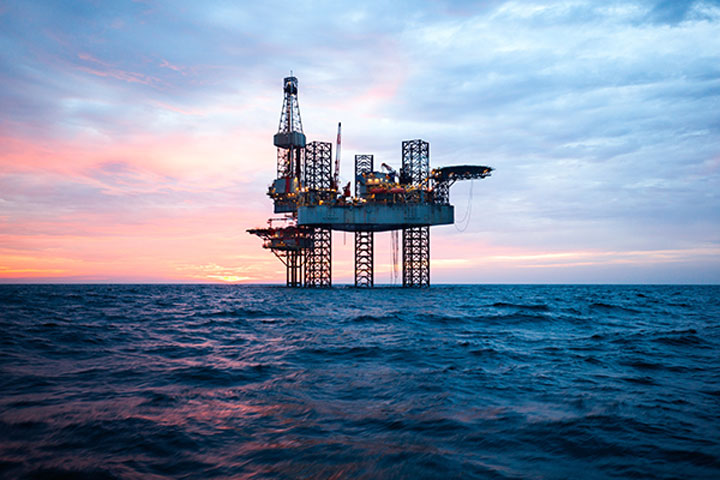
Challenges in Offshore Rig Operations
Harsh Environmental Conditions
One of the biggest challenges in operating offshore rigs is the harsh environmental conditions. Rigs often have to function in adverse weather, such as storms, high waves, and extreme temperatures. These conditions not only increase the risk of accidents but also complicate maintenance and repair of equipment.
Safety Risks
Employee safety is a critical issue in offshore rig operations. Oil and gas extraction activities pose numerous risks, such as gas explosions, fires, and oil leaks. Ensuring the safety of personnel and preventing incidents is a top priority, requiring thorough preparation and stringent preventive measures.
Resource Management
Operating offshore rigs requires effective management of resources such as freshwater, energy, and replacement materials. Rigs need a continuous supply of these resources throughout their operational period while ensuring their management and use are efficient and economical.
Maintenance and Repair
Maintaining and repairing offshore rigs presents numerous challenges due to their remote locations and harsh working conditions. Equipment and systems require regular inspections, scheduled maintenance, and prompt repairs when issues arise. However, conducting these tasks from afar can complicate technical and logistical efforts, making timely interventions more difficult.

Solutions to Address Challenges
Modern Technology
To cope with harsh environmental conditions, the oil and gas industry has developed and implemented various modern technologies. Automated monitoring and control systems allow for precise tracking and adjustment of rig operations, minimizing risks and enhancing operational efficiency. Sensor technology and early warning systems also help detect and address potential issues promptly.
Training and Coaching
To ensure employee safety, oil and gas companies regularly conduct training and coaching sessions on occupational safety. Workers on drilling rigs must be equipped with the necessary knowledge and skills to handle emergencies and unexpected incidents. Regular training enhances employees’ safety awareness and their ability to respond to situations.
Effective Resource Management
To manage resources effectively, oil and gas companies utilize advanced resource management systems. These systems help monitor and coordinate the supply and use of resources such as water, energy, and materials. The adoption of new technologies also optimizes resource use and minimizes waste.
Remote Maintenance Services
To address remote maintenance and repair issues, many oil and gas companies have implemented remote maintenance service solutions. High-tech devices such as drones and robots can be used to perform maintenance and repair tasks without the need to send personnel to the drilling rig. This helps minimize risks and reduce maintenance costs.

Operating offshore drilling rigs is a task that requires thorough preparation and measures to tackle various challenges. From harsh environmental conditions and safety risks to resource management and equipment maintenance, oil and gas companies must implement effective technological and management solutions to ensure safe and efficient operations. With the continuous advancement of technology and management methods, the oil and gas industry will maintain safety and efficiency in resource extraction from the sea.
