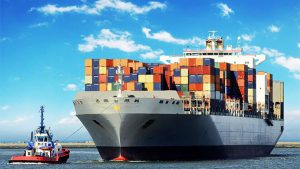
Operating maritime vessels is a complex and hazardous global industry that requires strict adherence to international safety regulations to protect human life, property, and the marine environment. These regulations not only ensure the safety of crew members and passengers but also help maintain efficient and sustainable maritime operations. This article will introduce important international safety regulations for operating maritime vessels.

International Convention for the Safety of Life at Sea (SOLAS)
History and Scope of SOLAS
The SOLAS Convention, first adopted in 1914 after the Titanic disaster, is now one of the most important conventions regarding maritime safety. SOLAS sets minimum standards for the construction, equipment, and operation of maritime vessels to ensure the safety of crew members and passengers.
Key Regulations of SOLAS
SOLAS includes numerous detailed safety regulations, covering aspects from the structure and equipment of vessels to rescue procedures and training and certification requirements for crew members. Key regulations include mandates for lifeboat provisions, fire detection and extinguishing systems, and emergency evacuation procedures.
International Convention for the Prevention of Pollution from Ships (MARPOL)
Marine Environmental Protection
MARPOL is the primary international convention for preventing marine pollution from ships, encompassing oil, chemical, sewage, and garbage pollution. This convention establishes standards and procedures to minimize and control marine environmental pollution, protecting marine ecosystems and coastal areas.
Regulations and Annexes of MARPOL
MARPOL consists of six annexes, each addressing a specific type of pollution. These annexes include regulations for preventing pollution from oil, hazardous chemicals, sewage, garbage, and air emissions. Maritime vessels must comply with MARPOL requirements and implement measures to prevent pollution as stipulated.

International Convention on Standards of Training, Certification and Watchkeeping for Seafarers (STCW)
Ensuring Seafarer Quality
The STCW Convention establishes minimum standards for the training, certification, and watchkeeping of seafarers to ensure they possess the necessary competencies and skills for their roles. STCW includes regulations on training programs, competency assessments, and health requirements for seafarers.
Training and Certification Standards
STCW requires seafarers to complete specialized training courses and obtain the necessary certifications before they are allowed to work on ships. The convention also mandates ongoing training and knowledge updates for seafarers to ensure they remain proficient in safety skills and procedures.
The Importance of Compliance with International Safety Regulations
Protecting Human Life
Compliance with international safety regulations helps protect the lives of crew members and passengers, minimizing the risk of accidents and incidents at sea. These regulations require vessels to be equipped with adequate safety equipment and ensure that crew members are thoroughly trained to handle emergency situations.
Protecting the Marine Environment
Compliance with pollution prevention regulations helps protect the marine environment, maintain marine ecosystems, and safeguard marine resources. Pollution control measures mitigate the negative impacts of maritime activities on the environment.
Enhancing Reputation and Business Efficiency
Shipping companies that strictly adhere to international safety regulations enhance their reputation and business efficiency. Compliance helps businesses avoid fines and costs associated with violations while building trust with customers and partners.
Strengthening International Cooperation
Compliance with international safety regulations enhances cooperation between countries and businesses in the maritime industry. These regulations create a unified legal framework that ensures safety and efficiency in global shipping operations.

International safety regulations are essential in the maritime industry, helping to protect human life, property, and the marine environment. Compliance with these regulations not only ensures safety but also enhances business efficiency and the reputation of companies. Therefore, understanding and adhering to international safety regulations is crucial for all shipping companies.
